How Data Predicts Fashion Trend Spillovers Between Industries

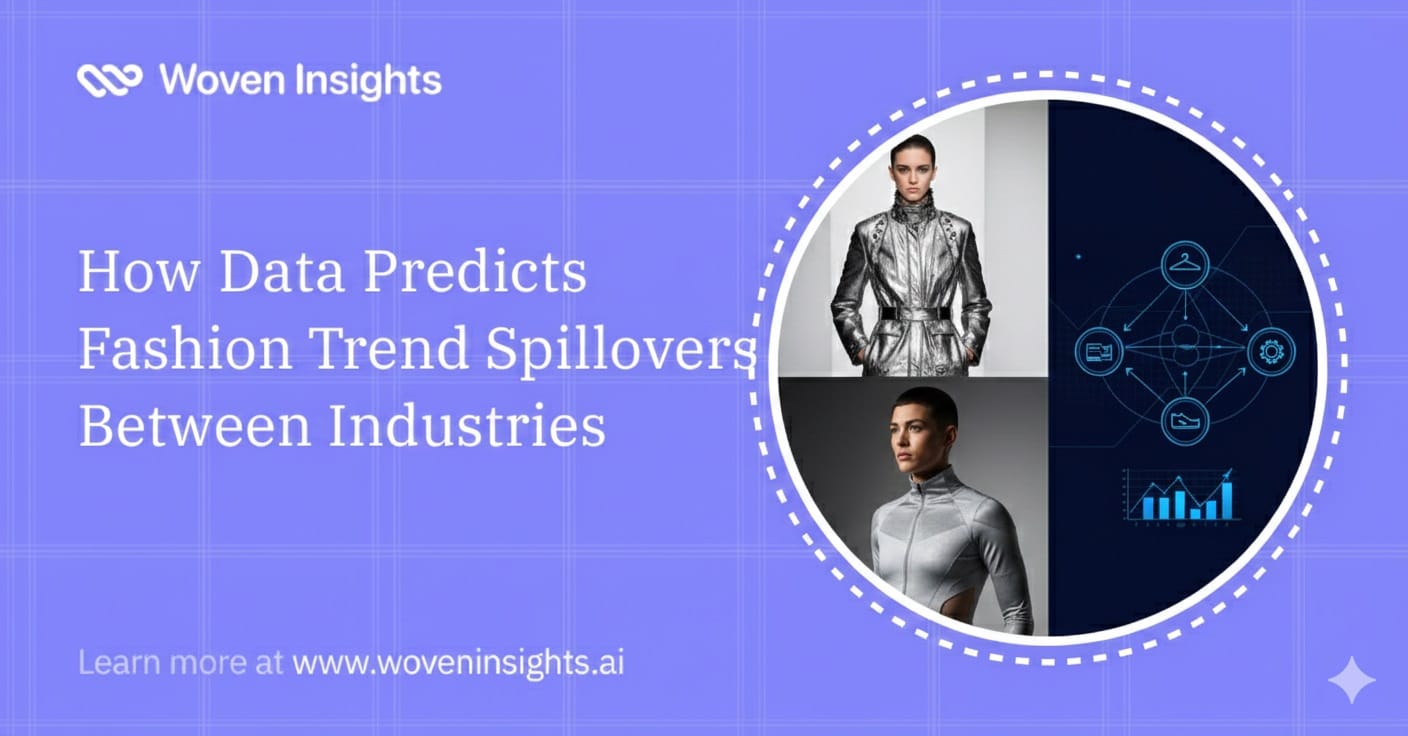
Fashion does not evolve in isolation. Many of the trends shoppers embrace today did not originate within apparel at all. They spill over from technology, entertainment, sports, beauty, interior design, gaming, and even food culture. What starts as an aesthetic movement in one industry can quickly reshape silhouettes, colour palettes, materials, or even the way fashion brands communicate.
In a world where cross-industry influence moves faster than ever, data is becoming the most reliable way for fashion leaders to understand which outside trends are gaining momentum and which ones will eventually impact consumer preferences. Instead of relying on instinct or moments of luck, brands can use structured, real-time signals to anticipate the next big shift long before it hits their category.
This article breaks down how data predicts these spillovers and how fashion teams can use this intelligence to stay ahead.
1. Tracking Cultural Trend Signals Before They Enter Fashion
Most fashion trends begin as cultural shifts. They appear first in music, films, viral aesthetics, or creator communities.
AI and analytics tools monitor these early indicators through:
Search behaviour patterns: Spikes in searches around themes like “cottagecore”, “gorpcore”, “quiet luxury”, or “olive green interiors” often precede demand for similar fashion items.
Social conversation clusters: Multimodal AI identifies emerging textures, moods, and styles in photos and captions long before they become recognisable fashion categories.
Influencer and celebrity styling: The crossover effect is powerful. When an item becomes common in beauty creators’ routines or tech reviewers’ outfits, it often signals a broader lifestyle adoption.
By analysing the velocity and consistency of these signals, teams can estimate how quickly the trend will move from culture into clothing.
2. Understanding How Trends Migrate from One Category to Another
Trend spillovers follow recognisable patterns. Data reveals three common pathways:
A. Aesthetic Alignment
For example, when skincare emphasises “clean” and “minimal”, fashion often shifts toward neutral palettes and low-noise essentials. Data from both industries shows the same emotional driver: consumers want simplicity and clarity.
B. Technology Adoption
Wearable tech, VR culture, and gaming aesthetics often bleed into streetwear. When adoption increases in one industry, fashion usually follows with futuristic materials, metallic palettes, or functional silhouettes.
C. Lifestyle Shifts
A boom in outdoor recreation or wellness culture can trigger higher demand for athleisure, performance coats, trail-inspired footwear, and utility accessories.
AI picks up these correlations automatically, spotting where consumer intentions overlap across categories.
3. Identifying Shared Consumer Motivations Across Industries
Trend spillovers make sense when there is a shared underlying motivation.
Data reveals these motivations by analysing:
- review themes across product categories
- search and purchasing histories
- content consumers engage with
- language used in social posts
- visual preferences extracted from images
For example, if consumers are increasingly drawn to “comfort”, that desire appears not only in apparel but also in homeware, beauty packaging, and even footwear and accessories. Once the underlying motivation is clear, forecasting trend spillovers becomes much easier.
4. Predicting Timing: The Most Critical Piece of Cross-Industry Forecasting
Not all spillovers happen at the same pace. Some trends migrate almost instantly. Others take months.
Data helps teams estimate timing using:
- rate of mentions across platforms
- speed of adoption in adjacent categories
- demographic profile of early adopters
- historical patterns from similar trends
- engagement-to-purchase conversion signals
For example, wellness trends often spill into fashion slowly, while entertainment-driven trends such as character aesthetics or soundtrack-inspired moods move much faster.
Having predictive timing prevents brands from entering too early or too late.
5. Fashion Teams Can Use This Data to Make Smarter Decisions
Cross-industry trend forecasting helps teams at every level:
Design Teams
Spot new materials, silhouettes, or colour moods that will soon resonate based on signals from other industries.
Merchandisers
Adjust assortment planning for categories that will accelerate or decline as adjacent industries shift.
Marketers
Tie campaigns to cultural moments consumers already care about, instead of reacting too late.
Retailers
Stock items that align with broader cultural shifts, increasing sell-through and reducing risk.
Executives
Make strategic decisions around product expansion into categories influenced by emerging cultural movements.
6. Why AI Is Becoming Essential for This Work
Human intuition alone cannot process millions of fragmented cultural signals. But AI can:
- analyse social images and detect recurring visual patterns
- map relationships between interests across industries
- track micro-shifts in consumer sentiment
- detect early forms of aesthetics before they become trends
- monitor global conversations in real time
This makes AI invaluable for identifying where the next big fashion influence will come from and how quickly it will grow.
Conclusion
Fashion trend spillovers have always existed, but the speed and complexity of cross-industry influence make manual forecasting almost impossible today. Data offers a new way forward. By monitoring cultural signals, understanding shared motivations, and analysing adoption patterns across industries, brands can anticipate the next creative shift before it hits mainstream fashion.
In a competitive landscape where being early can define entire product lines, mastering trend spillover forecasting is no longer optional. It is one of the most powerful capabilities fashion brands can invest in.
About Woveninsights
Woveninsights is a comprehensive market analytics solution that provides fashion brands with real-time access to retail market and consumer insights, sourced from over 70 million real shoppers and 20 million analyzed fashion products. Our platform helps brands track market trends, assess competitor performance, and refine product strategies with precision.
Woveninsights provides you with all the actionable data you need to create fashion products that are truly market-ready and consumer-aligned.
Click on the Book a demo button below to get started today.
