How Local Festivals Influence Regional Fashion Demand
Discover how to leverage customer reviews for impactful fashion consumer sentiment analysis. This comprehensive guide explains actionable steps and best practices, highlighting how platforms like WovenInsights can convert raw review data into strategic, data-driven decisions.

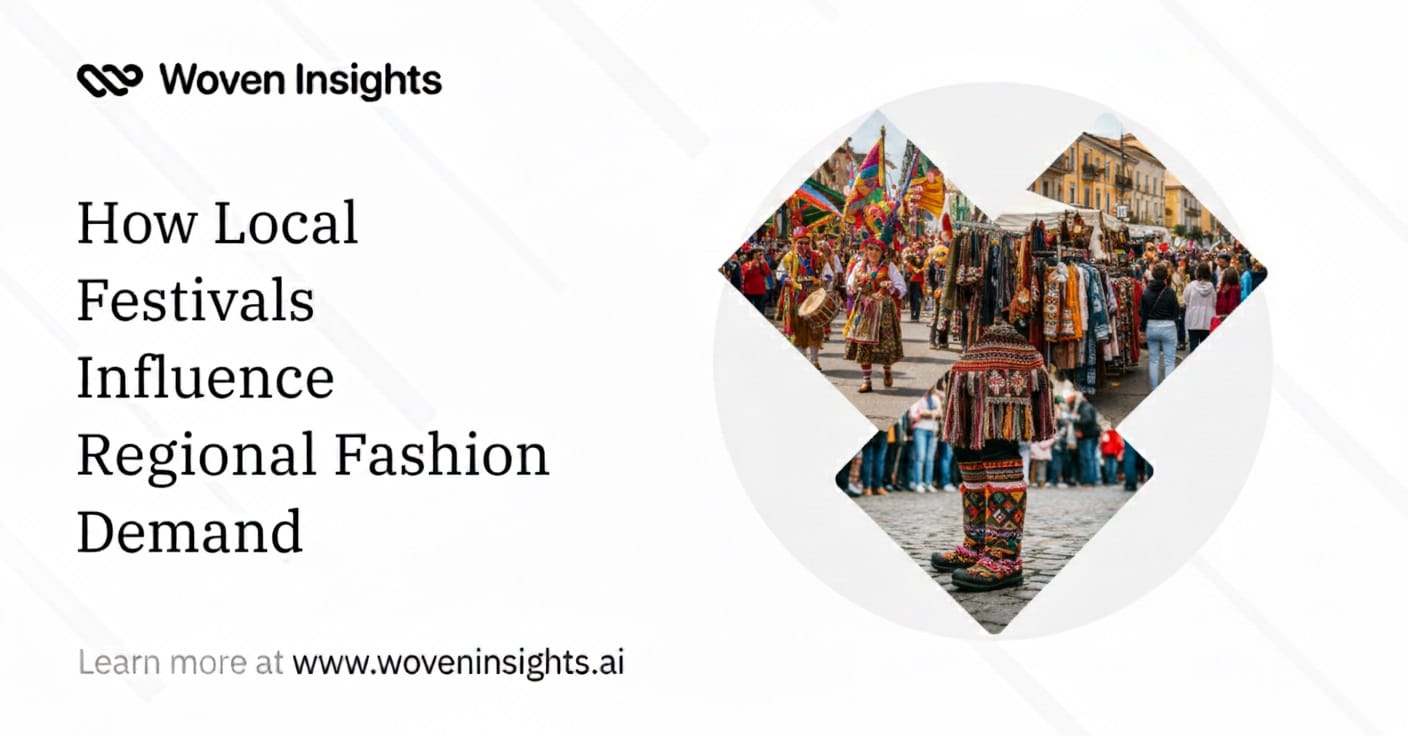
Fashion has always been shaped by culture, and few cultural expressions influence apparel demand as strongly as local festivals. Across global markets, festivals act as short but powerful retail cycles that shift color preferences, silhouette choices, accessory sales, and category performance.
From Holi in India, to Rio Carnival in Brazil, to Eid celebrations across Muslim-majority countries, festivals create predictable but highly concentrated spikes in demand that differ from region to region. These cycles guide not only what consumers buy but also how brands plan product drops, seasonal campaigns, and inventory allocation.
Understanding festival-linked purchasing behavior gives fashion retailers and manufacturers a competitive advantage. It enables better forecasting, targeted assortments, and more efficient regional planning.
1. The Cultural Psychology Behind Festival-Driven Demand
A. Festivals Reinforce Identity and Self Expression
Consumers are more willing to buy culturally symbolic products during festival seasons. These may include special colors, embroidery styles, unique accessories, and silhouette choices rooted in tradition.
During festivals, clothing becomes part of a shared social ritual. This increases emotional engagement and purchase intent.
B. Social Gatherings Increase Shopping Activity
Festivals usually involve:
- Family events
- Religious ceremonies
- Community gatherings
- Photoshoots and content creation for social media
These lead to higher demand for new outfits, coordinated looks, and complementary accessories.
C. The Desire for Novelty Increases
Consumers seek outfits they have not worn before because festivals are memory making moments. Retailers experience increased demand for refreshed styles, limited editions, and seasonal colors.
2. How Specific Festivals Influence Regional Fashion Categories
A. Eid Influences Modestwear, Jewelry, and Children’s Categories
Eid consistently drives sales of modest dresses, abayas, kaftans, embellished footwear, and occasion ready outfits. Jewelry and gift related categories also see increased demand.
For example, Vogue Arabia has reported that Gulf-region brands often design exclusive Ramadan capsule collections to meet increased demand for modest occasionwear each year.
B. Diwali Drives Demand for Bright Colors, Embroidery, and Festive Fabrics
Diwali, known for its vibrant celebrations in India and across the diaspora, boosts sales of lehengas, saris, kurta sets, brocade fabrics, gold accents, and bright jewel tones.
The Business of Fashion notes that Indian designers increasingly use festival seasons to launch high performance festive collections because consumer spending peaks at this time.
C. Carnival Popularizes Bold Prints and Performance Inspired Apparel
Rio Carnival inspires global demand for sequins, feathers, bold prints, and dance friendly silhouettes.
Fashion brands often release capsule collections around Carnival, leveraging the event’s global visibility.
D. Lunar New Year Drives Strong Demand for Red and Occasionwear
During Lunar New Year celebrations across China, Singapore, and Malaysia, red apparel, gold accents, and matching family outfits dominate sales.
According to CNBC reporting, many fashion brands release Lunar New Year themed collections because it is one of the year’s strongest consumption periods.
3. The Timing of Festivals Creates Predictable Shopping Cycles
Festivals influence shopping behavior before, during, and after the event.
A. Pre Festival Buying Window
Consumers shop weeks or months ahead, depending on cultural norms. For example:
- Ramadan shopping begins early due to preparation for Eid
- Diwali buying intensifies in the weeks leading up to the celebration
- Carnival related costumes are purchased throughout the festival season
This helps retailers map promotional windows and assortment drops.
B. Festival Week Peak
During the final countdown, demand intensifies for:
- Last minute accessories
- Children’s outfits
- Replacement items
- Family coordinated looks
C. Post Festival Purchasing
Some festivals spark demand for replenishment categories, such as everyday wear, accessories, or transitional pieces, once the celebrations end.
4. How Retailers Use Data to Plan for Festival Seasons
A. Understanding Regional Variations in Product Preference
Data platforms like Woven Insights help identify how different regions respond to specific product attributes such as color, fabric, embellishment, or silhouette.
Retailers can see which cities prefer:
- Brighter colors
- More modest cuts
- Traditional fabrics
- Higher levels of ornamentation
This prevents overstocking in markets with lower demand.
B. Identifying Category Spikes at Festival Time
Historical demand mapping helps teams understand which categories perform best in each festival cycle. For example:
- Occasion footwear during Diwali
- Kaftans during Ramadan
- Embellished dresses during Carnival
- Matching sets during Lunar New Year
This informs more targeted merchandising.
C. Discovering Emerging Micro Trends Linked to Festivals
With visual and text based analytics, retailers can identify rising patterns such as:
- New color palettes
- Modern adaptations of traditional silhouettes
- The influence of social media aesthetics on festival fashion
Woven Insights allows teams to see early signals in popular styles across major e commerce platforms.
D. Optimizing Inventory Allocation
By mapping regional demand, brands avoid:
- Overstocking markets that do not celebrate specific festivals
- Understocking high demand locations
- Misallocating trending items
Festivals become an opportunity for precision, not guesswork.
5. The Role of Social Media in Amplifying Festival Fashion
Festival related fashion trends explode faster due to social platforms such as Instagram, TikTok, and Pinterest.
A. User Generated Content Drives Style Diffusion
People share outfits, makeup, and styling inspiration, increasing the speed of trend adoption.
B. Influencers Launch Festival Specific Content
Creators often post festival lookbooks or styling videos, generating strong engagement during festival windows.
C. Brands Expand Visibility Through Social Activation
Festival themed campaigns, challenges, and live shopping events drive traffic toward holiday collections.
Social data often correlates directly with festival demand, making it useful for predictive forecasting.
Conclusion: Culture is a Demand Predictor, Not a Trend Afterthought
Festivals are not seasonal coincidences but strategic retail catalysts. They create focused windows of demand that influence everything from product development to merchandising, marketing, and allocation.
Retailers that use cultural insight and real time data analytics can:
- Reduce inventory risk
- Plan more relevant collections
- Sell the right products in the right regions
- Capitalize on festival driven excitement
Woven Insights gives fashion teams the ability to track festival relevant patterns, understand regional variations, and plan more accurately for every cultural moment.
About Woveninsights
Woveninsights is a comprehensive market analytics solution that provides fashion brands with real-time access to retail market and consumer insights, sourced from over 70 million real shoppers and 20 million analyzed fashion products. Our platform helps brands track market trends, assess competitor performance, and refine product strategies with precision.
Woveninsights provides you with all the actionable data you need to create fashion products that are truly market-ready and consumer-aligned.
Click on the Book a demo button below to get started today.
