The Data Behind Fashion Growth in the Middle East

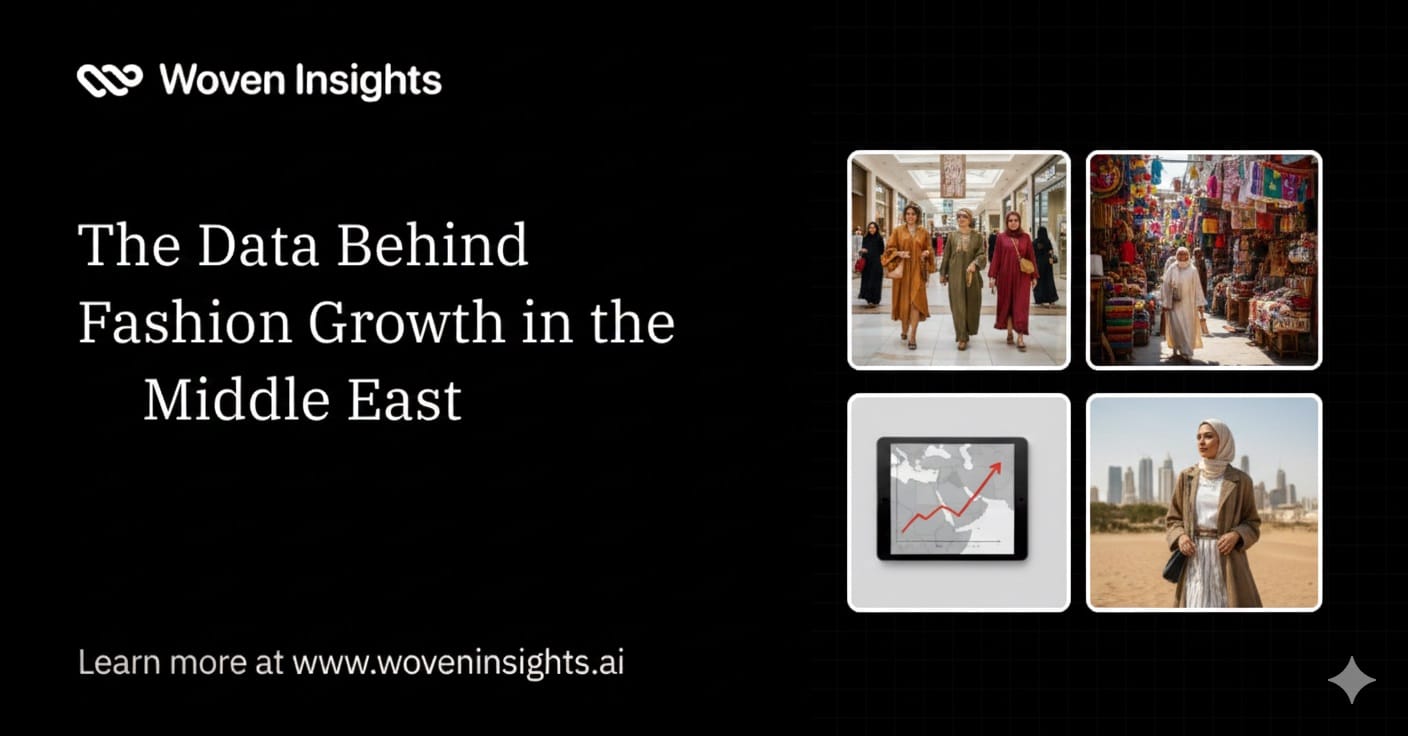
The Middle East has become one of the most dynamic and influential fashion regions in the world. What used to be viewed as a niche luxury market is now a fast-growing ecosystem driven by young consumers, digital adoption, and strong spending power. Brands across luxury, premium, streetwear, beauty, and modest fashion are expanding into the region because the demand signals are clear: shoppers in the Middle East are reshaping global fashion behaviour.
Growth in the region is not happening by chance. It is backed by data that reveals evolving consumer preferences, investment in retail ecosystems, and the rise of homegrown fashion talent. Understanding these signals is critical for brands that want to expand strategically and sustainably.
Below is a detailed look at the key data trends shaping fashion growth in the Middle East.
1. A Young, Digitally Active Consumer Base
One of the strongest drivers of fashion growth is the demographic profile. The region has one of the youngest populations in the world, and this group spends heavily on fashion, beauty, and lifestyle products.
Young consumers also spend more time on platforms like Instagram, Snapchat, TikTok, and YouTube, which accelerates trend adoption and boosts discoverability for new brands. Social platforms are often the first touchpoint for product discovery, styling ideas, and influencer-led trends, making digital content a core part of fashion consumption.
This digital behaviour fuels continuous engagement, shortens trend cycles, and creates opportunities for both luxury brands and emerging labels.
2. The Rise of Luxury and Premium Fashion
Luxury demand in the region continues to outpace many global markets. Shoppers in the Middle East tend to prioritise quality, craftsmanship, and exclusivity. Popular categories include handbags, fine jewellery, watches, fragrances, evening wear, and luxury modest fashion.
Cities like Dubai, Riyadh, Doha, and Kuwait City have become retail hubs where luxury flagships open faster than in most Western markets. Malls such as Dubai Mall and Mall of the Emirates drive consistent foot traffic, and department stores across the region are expanding their premium and luxury assortments.
This appetite for luxury also extends to online channels, with consumers increasingly shopping across regional ecommerce platforms and global brands that offer express shipping.
3. Growth of Modest Fashion
Modest fashion is one of the most significant drivers of category growth in the region. It blends cultural identity with contemporary style and has created opportunities for both local and international brands.
Categories showing particularly strong movement include:
- Abayas
- Kaftans
- Maxi dresses
- Layered separates
- Occasionwear
- Premium modest basics
Seasonal occasions like Ramadan generate major spikes in purchases, particularly in womenswear and accessories. Brands that offer elegant, versatile, and culturally aligned styles see strong repeat business.
4. Expansion of Ecommerce and Digital Retail
Ecommerce in the Middle East has grown rapidly as consumers adopt mobile shopping, digital payments, and fast delivery expectations. Regional platforms like Namshi, Ounass, and Styli have built strong communities around curated assortments and personalised content.
Even traditional brick-and-mortar players are investing in omnichannel strategies. Same-day delivery, virtual styling support, digital size guides, and flexible payment options have helped convert online shoppers who value convenience and reliability.
Cross-border shopping also plays a key role. Shoppers often buy from international sites that ship to the region, expanding product access and increasing competition among retailers.
5. Government Support and Investment in Creative Industries
Countries across the Gulf are investing heavily in creative industries, including fashion. These investments aim to diversify national economies and build global cultural influence.
Support often includes:
- Fashion councils and incubators
- Grants and designer development programs
- Fashion weeks in Dubai, Riyadh, and Qatar
- Retail real estate expansion
- Education partnerships with fashion schools
This ecosystem helps emerging designers scale, encourages global brands to collaborate locally, and attracts international attention to regional talent.
6. The Rise of Regional Fashion Brands
Local designers have gained strong traction due to cultural relevance, fresh aesthetics, and product authenticity. These brands often merge traditional craftsmanship with modern silhouettes, appealing to both local and global consumers.
Categories where regional brands have seen significant success include:
- Modest luxury
- Bridal and evening wear
- Contemporary womenswear
- Streetwear
- Artisanal accessories
Events like Dubai Fashion Week and Riyadh Fashion Week have also amplified visibility, helping designers secure regional and international retail partnerships.
7. The Influence of Social Media and Creators
Influencers and digital creators have a major impact on fashion growth across the Middle East. Their content sparks product discovery and drives brand desirability.
Creators influence:
- Daily styling choices
- Festive and event dressing
- Beauty and skincare preferences
- Localised trends
- Capsule collections and brand collaborations
Influencer activity also helps international brands localise their marketing, making campaigns feel more relevant to Middle Eastern consumers.
8. Strong Spending Power and High Customer Loyalty
Consumers in key Middle Eastern markets spend significantly on fashion, particularly within luxury and premium segments. While price sensitivity exists, the region demonstrates higher-than-average loyalty when brands deliver:
- Consistent quality
- Cultural relevance
- Limited products
- Bespoke services
- Personalised shopping experiences
This combination of spending power and loyalty creates a stable base for both established and emerging brands.
Conclusion
Fashion growth in the Middle East is driven by a powerful mix of youthful consumers, digital engagement, luxury appetite, cultural identity, and expanding retail infrastructure. The region is no longer reacting to global trends but actively shaping them.
For brands, success requires understanding the data behind this growth. Those who invest in culturally aligned assortments, digital-first strategies, and long-term relationships will find the Middle East not just attractive but transformative for their business.
About Woveninsights
Woveninsights is a comprehensive market analytics solution that provides fashion brands with real-time access to retail market and consumer insights, sourced from over 70 million real shoppers and 20 million analyzed fashion products. Our platform helps brands track market trends, assess competitor performance, and refine product strategies with precision.
Woveninsights provides you with all the actionable data you need to create fashion products that are truly market-ready and consumer-aligned.
Click on the Book a demo button below to get started today.
