The Psychology of Scarcity: Limited Drops vs Core Collections
A deep dive into how scarcity shapes consumer behavior, why limited drops outperform traditional collections in hype cycles, and how fashion brands strategically balance exclusivity with availability to drive long-term loyalty

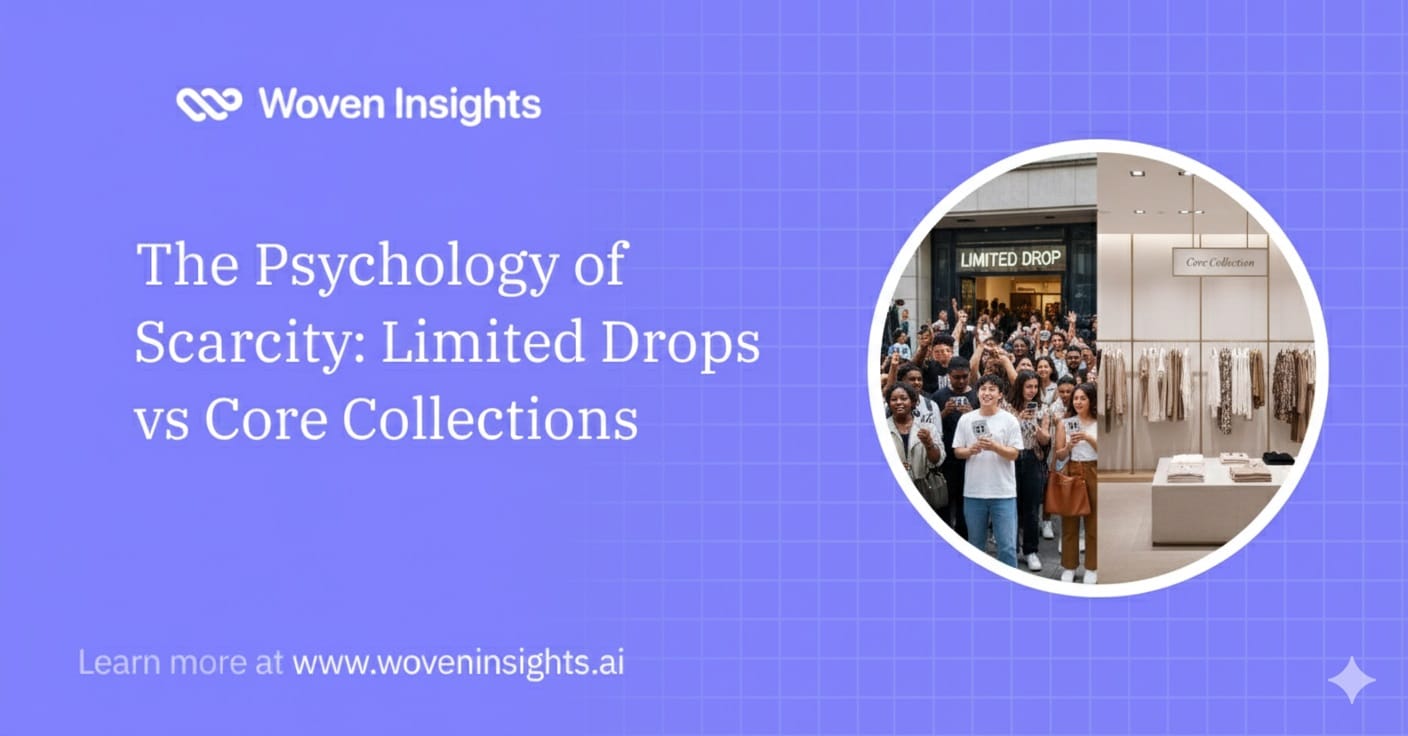
Even in a world filled with endless choices, scarcity continues to be one of fashion’s most powerful psychological triggers. When products feel exclusive, rare, or time-sensitive, consumers experience heightened emotional responses: urgency, desire, and perceived value.
This is why limited edition drops, capsules, and one-off releases command intense attention. At the same time, core collections remain essential for accessibility and consistent revenue. The real strategy lies in how brands balance both.
Understanding the psychology behind scarcity helps fashion businesses design smarter assortments, reduce risk, and build stronger brand affinity. Let’s explore how limited drops and evergreen collections create different consumer reactions, and how data can help retailers manage both effectively.
1. Why Scarcity Creates Desire in Fashion
Scarcity taps into several well-studied psychological principles:
A. Fear of Missing Out (FOMO)
Consumers fear the regret of missing a rare item. A limited drop heightens emotional intensity, increasing the likelihood of immediate purchase.
B. Social Proof and Signaling
Owning an exclusive item communicates identity, status, taste level, and belonging to a specific community.
For example:
- Streetwear communities value rare sneakers as cultural currency.
- Luxury consumers equate exclusivity with craftsmanship and prestige.
C. Perceived Value Increases When Supply is Low
If a product is hard to get, people automatically assume it is better. Scarcity makes items feel more important, especially when paired with brand storytelling.
D. Urgency Accelerates Decision-Making
Limited quantities reduce hesitation, pushing shoppers toward quicker purchasing decisions and fewer abandoned carts.
2. How Limited Drops Shape Buying Behavior
A. Short Bursts of Sales and High Engagement
Capsule drops or surprise releases generate spikes in traffic, social media activity, and brand visibility.
B. Community-Building Through Anticipation
Audiences enjoy the chase: waiting, discussing, and predicting what’s next.
Limited drops turn product releases into cultural events.
C. Encourages Repeat Visits
The unpredictability of drops keeps customers coming back, checking for updates, and staying plugged into the brand.
D. Stronger Emotional Attachment
Consumers who work harder to acquire an item tend to value it more. This increases post-purchase satisfaction and long-term brand loyalty.
3. The Risk: Limited Drops Can Also Backfire
Exclusivity is powerful, but without planning, it can create problems:
- Stockouts frustrate core customers.
- Drops that are too frequent lose their impact.
- Reseller activity can alienate genuine fans.
- Misjudged demand leads to wasted hype.
Brands need robust demand forecasting and consumer insight tools to execute limited editions without damaging trust.
4. Why Core Collections Still Matter
While limited drops capture attention, core collections keep the business stable.
A. Predictable, Repeatable Buying Behavior
Staple items like denim, basics, outerwear, or bestsellers offer consistent revenue regardless of trend cycles.
B. Brand Identity Anchors
Core lines communicate what a brand stands for. They give shoppers something reliable to return to.
C. Entry Points for New Customers
Not everyone can access or afford limited drops. Core collections keep the brand accessible.
D. Operational Stability
Core collections benefit from long-term supplier relationships, predictable material planning, and optimized pricing.
5. How the Two Strategies Work Together
The strongest fashion brands run a hybrid strategy where limited drops drive heat, and core collections drive volume. They complement each other:
- Drops generate cultural relevance.
- Core pieces build financial resilience.
- Scarcity attracts attention, stability retains customers.
This creates a balanced ecosystem where hype drives traffic, and essentials convert that traffic into long-term value.
6. Using Data to Optimize Scarcity Strategies
To execute scarcity-based strategies effectively, brands rely on data:
A. Monitoring Real-Time Demand Signals
Platforms like Woven Insights allow teams to track rising styles, colors, or categories, helping them design drops that match what shoppers already want.
B. Understanding Regional Variations
Limited items perform differently by market. Data shows where scarcity will amplify demand and where it will discourage sales.
C. Predicting the Right Drop Frequency
Analyzing past drop performance helps determine whether a brand should release monthly capsules, seasonal limited lines, or sporadic surprise drops.
D. Protecting Core Collection Health
Data can reveal when exclusive releases overshadow staple items, helping teams rebalance inventory and messaging.
E. Managing Quantities for Limited Editions
Instead of guessing, merchandisers use demand signals to determine responsible production numbers. This minimizes waste and maintains exclusivity without frustrating loyal customers.
Conclusion: Scarcity Works, but Strategy Wins
Scarcity is more than a marketing tactic; it taps into deep psychological drivers that shape how consumers evaluate, desire, and purchase fashion.
But limited drops alone cannot sustain a brand. It is the combination of exclusivity and consistency, supported by reliable consumer insights, that creates long-term success.
Fashion brands that understand how to balance hype with stability—creativity with analytics will be the ones that stay culturally relevant while remaining commercially resilient.
About Woveninsights
Woveninsights is a comprehensive market analytics solution that provides fashion brands with real-time access to retail market and consumer insights, sourced from over 70 million real shoppers and 20 million analyzed fashion products. Our platform helps brands track market trends, assess competitor performance, and refine product strategies with precision.
Woveninsights provides you with all the actionable data you need to create fashion products that are truly market-ready and consumer-aligned.
Click on the Book a demo button below to get started today.
